

It’s More Than Hair
October is Breast Cancer Awareness Month: a time to recognize the women facing diagnosis and treatment, honor survivors, remember those we have lost, and support better access to screening and care.
It is also a time to talk about the parts of treatment that are sometimes minimized.
Hair loss and hair changes are not “just cosmetic.” Hair can hold identity, culture, memory, femininity, creativity, and confidence. For many women, especially Black women and women in textured-hair communities, hair is connected to family traditions, self-expression, professional presentation, and the feeling of being recognized as oneself.
So when treatment changes the way your hair looks or feels, the experience can be deeply personal.
It’s more than hair.
You Are Not Being Shallow
Treatment-related hair changes can bring grief, anger, fear, and disbelief. You may look in the mirror and feel unrecognizable. You may avoid mirrors altogether. You may worry that everyone can tell you are sick.
You may miss the hair you styled before appointments, the ritual of wash day, the feeling of your coils, locs, braids, or relaxed hair. You may feel exposed without your usual look. You may withdraw from photographs, social events, dating, intimacy, or work.
And you may feel guilty for caring about any of it while fighting for your life.
Please hear this clearly: grieving your hair does not mean you are ungrateful for treatment or focused on vanity. It means you are responding to a visible and emotional change during an already overwhelming season.
Hair loss can feel like a loss of privacy. It can announce an illness you may not be ready to discuss. It can change how you see your face and body. It can affect the way you feel in a room, in a relationship, or in your own home.
There is no correct way to respond.
Some women want to cut or shave their hair before shedding begins. Some want a wig that closely matches their natural style. Some prefer scarves, wraps, hats, or turbans. Some want to be bald and visible. Others want privacy. Some days may bring confidence; other days may bring tears.
All of those choices are valid.
Make Room for the Whole Person

During treatment, your routine may need to become simpler. The goal is not to force your hair to look a certain way. The goal is comfort, gentleness, and preserving your choices wherever possible.
Consider asking your oncology team about what is appropriate for your specific treatment and scalp. Depending on your situation, gentle supportive habits may include:
- Cleansing with a mild, gentle shampoo and lukewarm water.
- Using your fingertips rather than scratching or scrubbing the scalp.
- Detangling slowly with your fingers or a wide-tooth comb, beginning at the ends.
- Avoiding tight braids, extensions, weaves, ponytails, and other styles that create tension.
- Pausing relaxers, permanent color, bleach, and other harsh chemical processes unless your care team or a qualified hair professional says otherwise.
- Limiting heat styling and choosing low-effort styles that do not require pulling or repeated manipulation.
- Protecting a bare or sensitive scalp from direct sun and cold with a comfortable hat, scarf, or wrap.
- Keeping pillowcases, head coverings, and wigs clean and comfortable.
- Stopping any product that causes burning, itching, redness, or discomfort and asking a qualified healthcare professional for guidance.
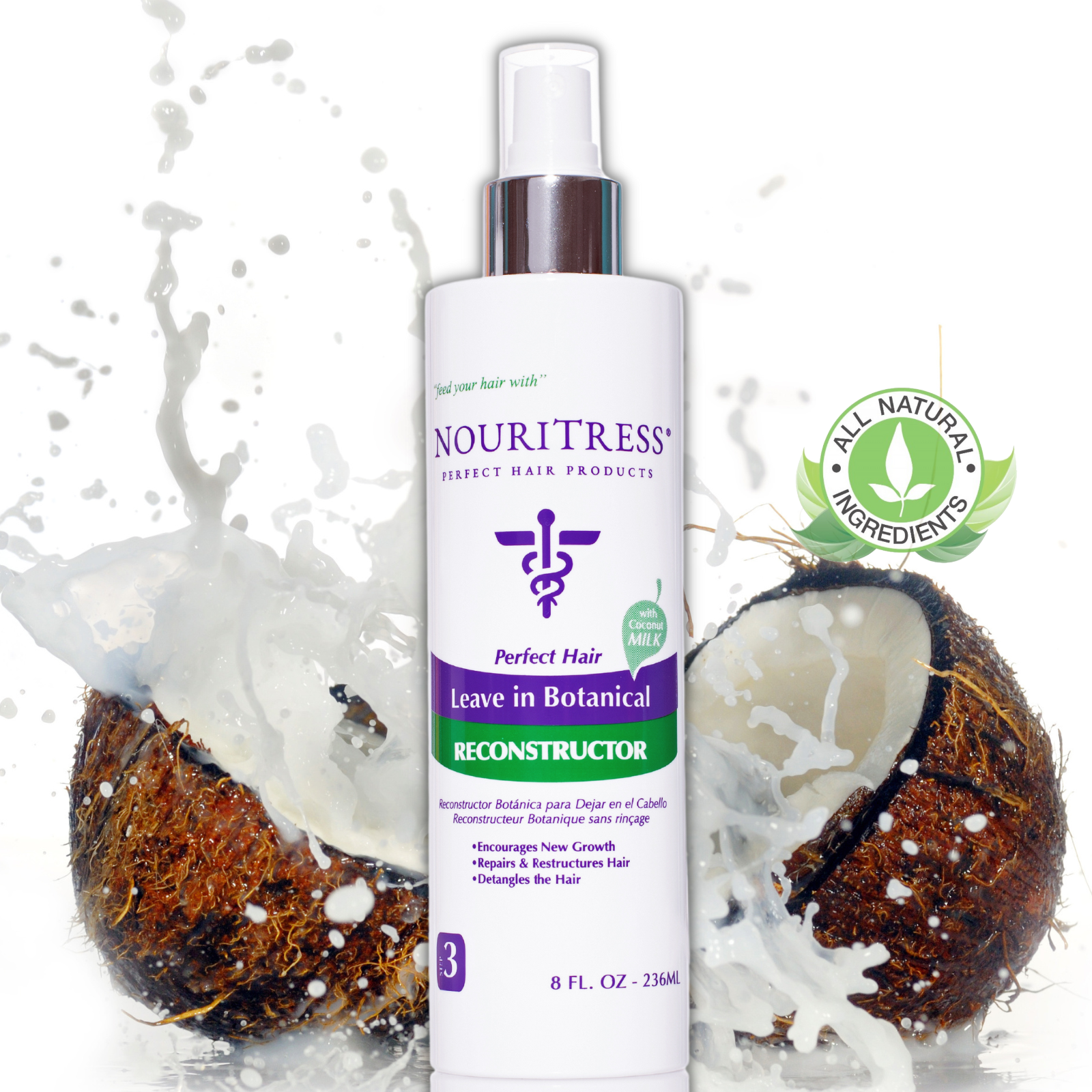
If you are looking for simple comfort-care products, NouriTress HydraCleanse Sulfate Free Shampoo is described by the company as a sulfate-free cleansing option, while the Shea Butter Hair Moisturizer is intended for moisturizing hair. These products are mentioned only as optional hair-care choices, not as cancer support, hair-loss treatment, or regrowth products. Always review ingredients with your oncology team if you have questions about what to use during treatment, especially if your scalp is sensitive.
Your routine does not have to be elaborate. A soft cloth, a gentle cleanse, a comfortable wrap, and a few quiet minutes may be enough for today.
Choose What Feels Like You
Wigs, scarves, head wraps, turbans, and hats can be more than coverings. They can be tools for self-expression and control.
You might choose a wig that reflects the texture or style you wore before treatment. You might try a color you have always wanted. You might collect wraps in colors that make you feel refreshed. You might wear one look to work, another to appointments, and nothing at all at home.
There is no requirement to hide. There is also no requirement to be visibly strong every day.
If you are considering scalp cooling or cold caps, bring the conversation to your oncology team before treatment begins. Your care team can explain whether it is appropriate for your treatment plan, what to expect, and what limitations may apply. Do not make changes to your cancer treatment based on information from a hair-care brand or an online article.
When Loved Ones Say the Wrong Thing

People often reach for reassurance because they do not know what else to say. But some common comments can make a painful moment feel even lonelier.
Try not to say:
- “It’s just hair.”
- “At least it will grow back.”
- “You should be grateful for your treatment.”
- “You look fine.”
- “You need to stay positive.”
- “I know exactly how you feel.”
Even well-intended words can dismiss the grief happening underneath.
Instead, try:
- “I can see that this is really painful.”
- “You do not have to minimize this with me.”
- “How would you like me to support you?”
- “Do you want advice, or would you like me to listen?”
- “Your choices about your hair belong to you.”
- “You are still yourself, and you do not have to prove anything today.”
Practical help can matter just as much as emotional reassurance. Offer to go wig or scarf shopping, organize a gentle hair-care basket, wash head coverings, research local resources, accompany her to an appointment, or simply sit beside her while she looks in the mirror.
Do not touch her scalp, wig, or head covering without permission. Do not post photographs or share her diagnosis without permission. Honor her privacy, her culture, her style, and her right to change her mind.
Joy and Grief Can Coexist
It is possible to mourn your hair and laugh with your loved ones.
It is possible to feel afraid at an appointment and still enjoy a favorite song on the drive home. You can feel beautiful in a head wrap one day and not want to see anyone the next. You can feel powerful without hair and still miss the person you were before treatment.
You do not have to choose between courage and sadness.
A counselor, oncology social worker, support group, or peer community can provide a place to speak honestly about body image, intimacy, identity, anxiety, and grief. You may also want to seek a community that understands Black hair, textured hair, cultural beauty practices, and the particular pressures Black women can face when their appearance changes.
The BreastCancer.org online community offers peer connection, and its information on hair loss during breast cancer treatment discusses options such as wigs, scarves, turbans, and scalp cooling conversations. Your cancer center may also have support groups, social workers, counseling referrals, or financial assistance resources.
As you move through treatment, keep asking for care that sees the entire person, not only the diagnosis.
Reclaiming Your Reflection

Your reflection may change. Your hair may change. Your relationship with beauty may change.
But your identity is not erased by treatment.
You are still the woman who loves deeply, creates boldly, comforts others, tells stories, builds a life, and deserves to be seen with tenderness. You are allowed to discover new ways to express yourself. You are allowed to keep old rituals that comfort you. You are allowed to create entirely new ones.
This Breast Cancer Awareness Month, let’s make space for the complete truth: treatment can save lives, and treatment-related changes can still hurt. Both things can be true.
If hair loss or scalp changes are affecting you, speak with your oncology team or another qualified healthcare professional for guidance specific to your treatment. For breast cancer screening and care information, visit the CDC breast cancer screening resource or the National Cancer Institute’s breast cancer information.
It’s more than hair, and so are you.
Medical disclaimer: This article is for general education and emotional support only. It is not medical advice and does not diagnose, treat, prevent, or cure breast cancer, chemotherapy-related hair loss, or any other health condition. NouriTress products do not affect cancer treatment or claim to prevent, reverse, or restore treatment-related hair loss. Speak with your oncology team or a qualified healthcare professional before changing your hair, scalp, skin-care, or treatment routine.